The Shift from Static Sites to Digital Ecosystems
In the early days of the internet, a website was little more than a digital business card—a static representation of a physical storefront or service office. For businesses operating in dynamic markets like Greece and the wider European Union, this approach is no longer sufficient. Today, a website must function as a core business platform, an operational hub that bridges the gap between customer interaction and backend processes.
When we approach web design at Clarity Digital Agency, we prioritize structural integrity and operational efficiency over purely decorative elements. A premium website is not just about a clean layout; it is about how effectively the digital infrastructure supports your business model. Whether you are managing seasonal tourism bookings in the Aegean or overseeing a complex B2B supply chain in mainland Europe, your platform must act as an extension of your workforce.
Aligning Design with Operational Objectives
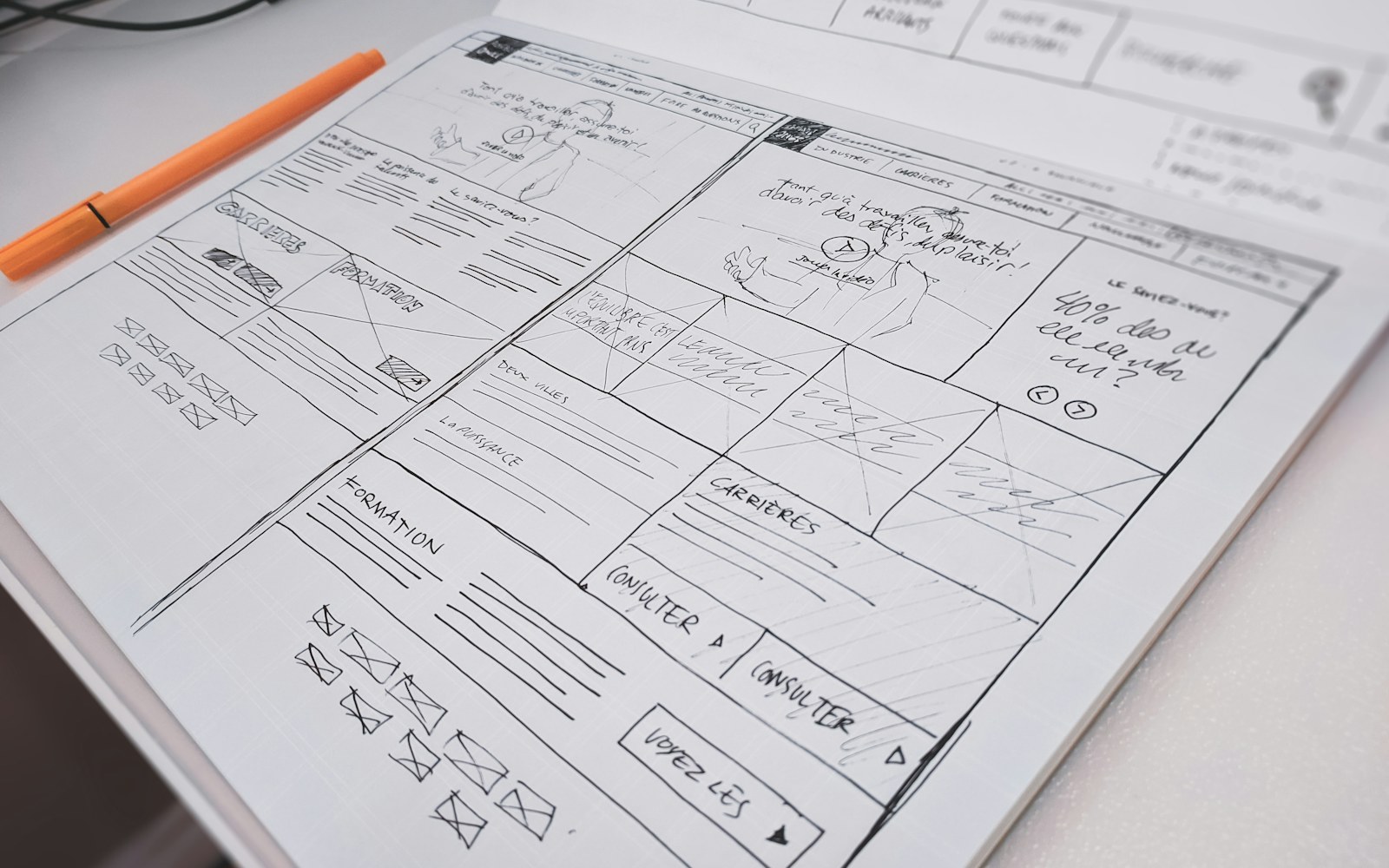
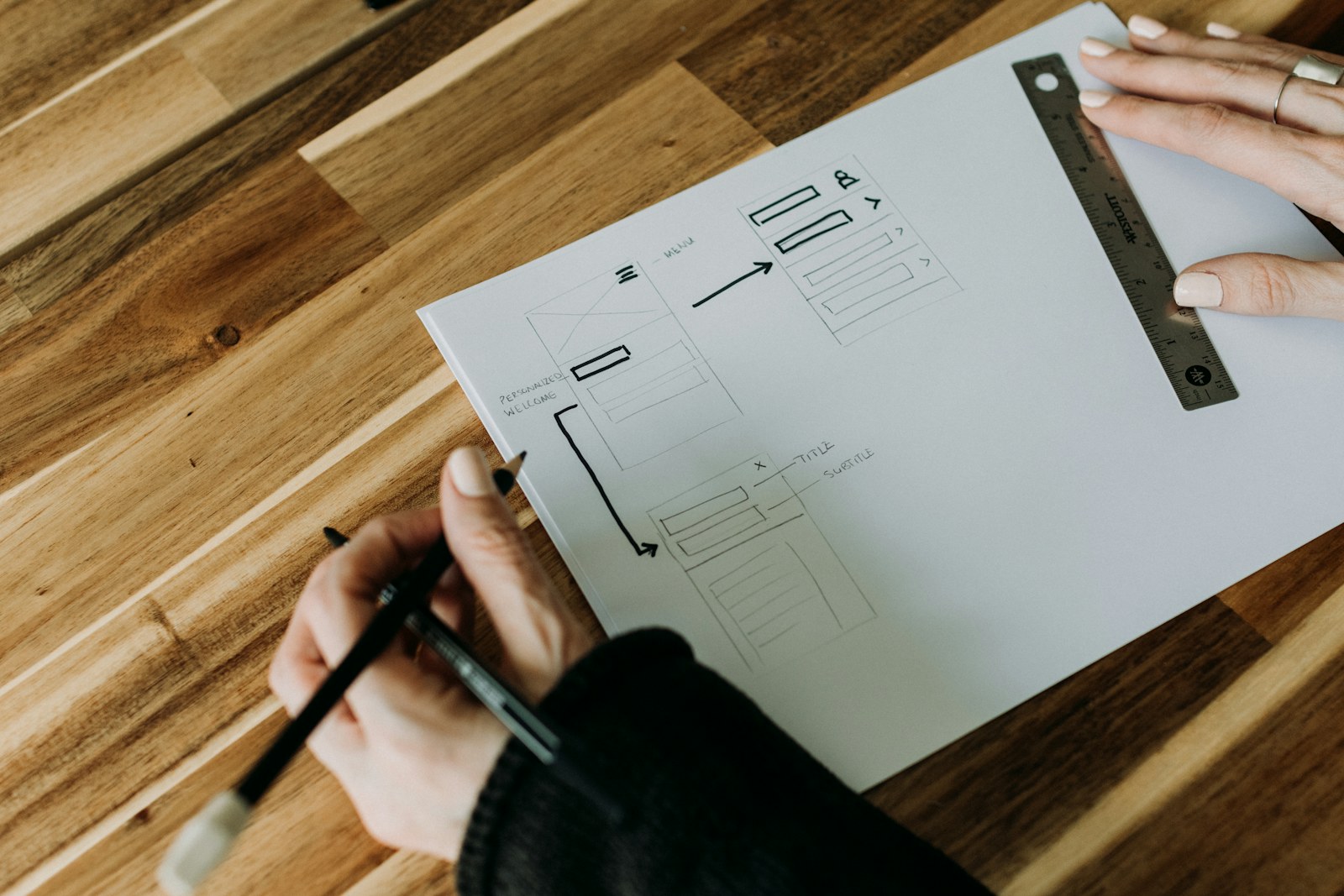
The primary pitfall in web development is prioritizing the 'look and feel' without establishing a clear functional blueprint. Before a single pixel is placed, stakeholders must define the specific business problems the platform needs to solve. Is the site intended to reduce administrative manual labor? Is it designed to handle high-concurrency booking requests? Or is it meant to nurture leads through automated workflows?
Practical recommendations for functional alignment:
- Define primary user journeys: Map out exactly what a user needs to achieve—be it a procurement request or a service appointment—and minimize the friction required to reach that goal.
- Automate the data flow: Consider how lead capture or booking data integrates with your internal CRM or ERP systems. Avoid silos where digital data has to be manually transcribed by staff.
- Scale for future-proofing: Opt for modular architecture that allows you to add features, such as AI-enabled customer support or new regional payment gateways, without rebuilding the core structure.
Investing in Managed Digital Infrastructure
A beautiful design that suffers from downtime or security vulnerabilities is a liability, not an asset. For businesses that operate internationally, infrastructure management is non-negotiable. This involves selecting robust hosting environments, implementing rigorous security protocols, and ensuring that your site complies with the stringent data protection requirements common in Europe, such as GDPR.
Managed infrastructure means moving away from 'set it and forget it' models. It implies a continuous process of updates, performance monitoring, and rapid incident response. An illustrative scenario would be a peak-season spike in traffic for a Greek hospitality business; without an underlying infrastructure designed to handle elastic scaling, the site may collapse under the load, resulting in lost revenue and damaged reputation. High-performance design includes load testing and resource allocation strategies that account for your most intensive operational cycles.
Leveraging AI and Automation to Drive Efficiency
The frontier of web design now includes integrating intelligence directly into the user experience. Instead of just static text, consider how AI-enabled workflows can personalize user interaction. This might manifest as intelligent chatbots that resolve common service inquiries, or dynamic content recommendation engines that adjust based on user behavior.
For the business owner, the real value of AI lies in backend efficiency. Automation can transform how you handle incoming inquiries. By integrating smart intake forms that route, qualify, and segment leads before they reach your sales team, you drastically improve response times and conversion rates. The goal of this modern design methodology is to create a digital workspace that works as hard as your physical team, automating repetitive tasks so that human talent can focus on high-value strategy and creative problem-solving.
Conclusion: The Long-Term View
Premium web design is a strategic investment in your organization's digital future. It is not a project with a start and end date, but a continuous evolution of your business presence. By focusing on sustainable infrastructure, seamless automation, and purposeful aesthetics, you create a digital environment that supports growth rather than hindering it. Regardless of whether your market is domestic or international, the principles of modularity, speed, and business-alignment remain the bedrock of a successful digital presence. When you approach your digital platform with the same rigor as you approach your physical operations, you ensure that your investment pays dividends for years to come.