The Evolution of Search Intent
For many business owners, search engine optimization is often viewed through the narrow lens of hitting specific keyword rankings. However, in an era where artificial intelligence and machine learning influence search results, the traditional focus on volume-based keyword stuffing has become obsolete. For a company operating in the Greek market—or one looking to expand internationally—SEO must be treated as a foundational element of your digital infrastructure, not a shortcut to traffic.
Modern search engines prioritize utility, speed, and topical authority. When your website functions as a cohesive business asset rather than just a brochure, you align your digital presence with the core goals of search providers. This shift requires moving away from chasing algorithm updates and toward building a platform that provides tangible value to your specific audience.
Building a Robust Technical Foundation
Technical SEO is the digital architecture upon which your content rests. If your infrastructure is flawed, even the most compelling content will struggle to reach its target audience. For businesses dealing with complex requirements, such as custom booking systems or multilingual platforms, technical rigor is non-negotiable.
The Impact of Core Web Vitals
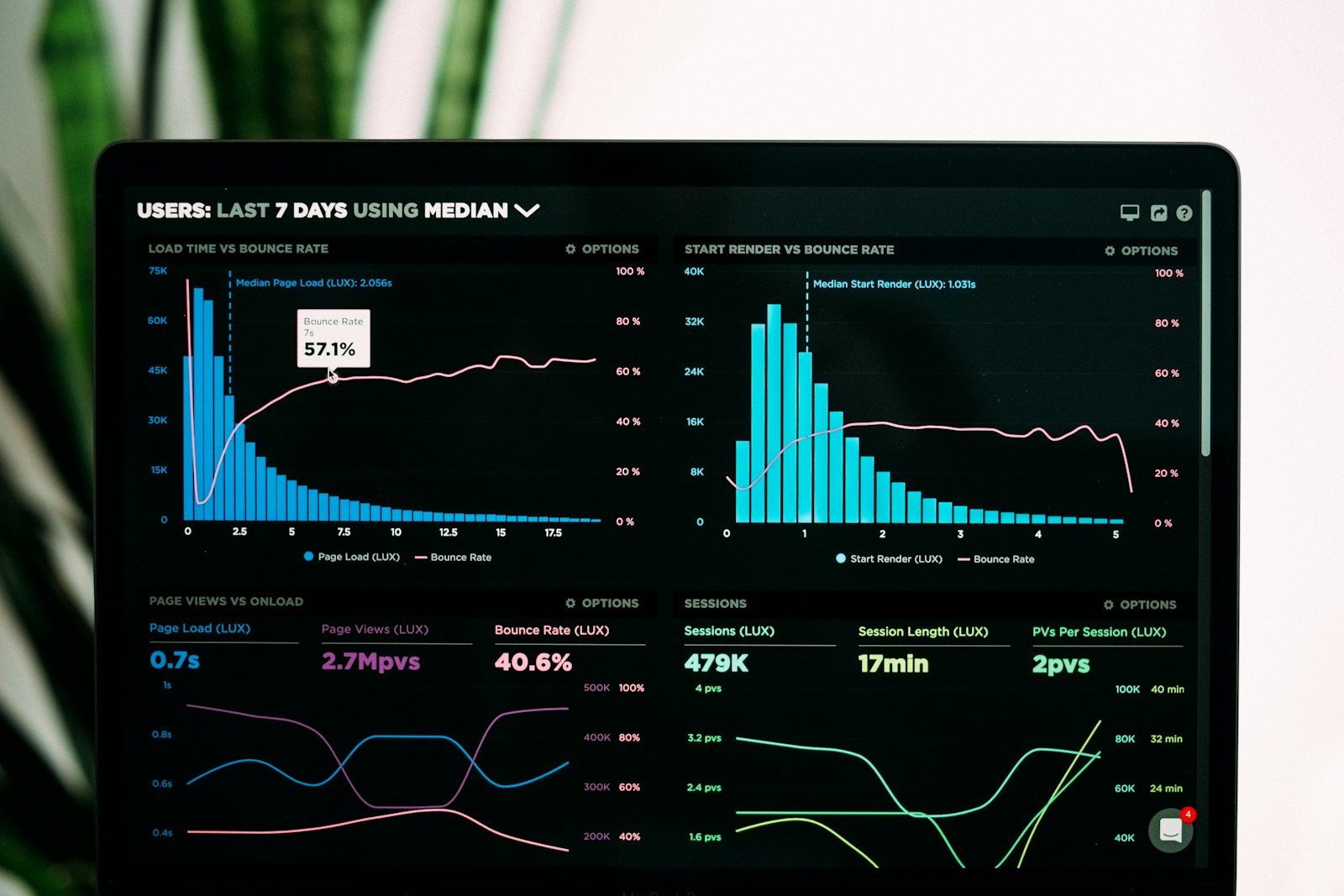
Google’s Core Web Vitals measure the user experience by evaluating loading speed, visual stability, and interactivity. A website that is slow or unpredictable to navigate creates friction. If you manage an e-commerce store or a service booking platform, every millisecond of lag can lead to a decrease in conversion rates. Ensuring your hosting environment is optimized and your front-end code is lean is a fundamental investment in your SEO health.
Structuring Data for Clarity
Search engines are incredibly sophisticated, yet they benefit immensely from structured data. By implementing Schema markup, you provide explicit information about your business—such as operating hours, service menus, or pricing ranges. For a Greek business operating in a localized niche, this structure helps search engines understand exactly what you offer and to whom, increasing the likelihood of appearing in relevant rich snippets and local search blocks.
Content Authority and Topical Relevance
Once your site is technically sound, content becomes the engine of your growth. Many businesses mistake quantity for quality, flooding their sites with generic posts. Sustainable SEO is built on topical authority—the practice of covering a subject matter with such depth and consistency that search engines perceive your domain as a primary resource.
- Define your niche expertise: Instead of writing broadly, document the specific challenges your services solve for your clients.
- Adopt a content hierarchy: Use cornerstone pages for broad topics and supporting blog posts to answer niche questions.
- Address the user journey: Create content that speaks to both prospective clients in the research phase and decision-makers ready to book a service.
For example, if you offer premium business automation tools, your content should not just describe the tools, but explain how to solve specific operational bottlenecks common in the European professional services sector. This approach builds trust with both the reader and the search indexer.
The Intersection of SEO and Managed Infrastructure
SEO is not an isolated marketing tactic; it is deeply intertwined with your digital infrastructure. Security, uptime, and accessibility are ranking factors. When a website suffers from frequent downtime or security vulnerabilities, search engines take notice. Managed infrastructure ensures that your site remains available, secure, and updated, which acts as a silent but powerful signal of credibility.
Furthermore, businesses integrating AI-enabled workflows can benefit by using these tools to refine their content strategy. AI can assist in analyzing search trends or organizing large sets of data, allowing your team to focus on the qualitative aspects of your content that require human insight and industry-specific context.
Conclusion: Thinking Long-Term
SEO is a marathon that requires consistent adjustment and high-quality execution. For businesses in Greece and beyond, the path to success lies in prioritizing the user experience, ensuring technical precision, and consistently providing valuable, high-authority content. By moving away from quick-fix tactics and focusing on the underlying quality of your digital assets, you build a sustainable growth channel that remains resilient regardless of how search algorithms evolve. Start by auditing your technical performance, mapping your content to your customers' actual needs, and viewing your website as a long-term business investment.